New Hampshire Medical Marijuana Business Licensing & Compliance
Medical Marijuana
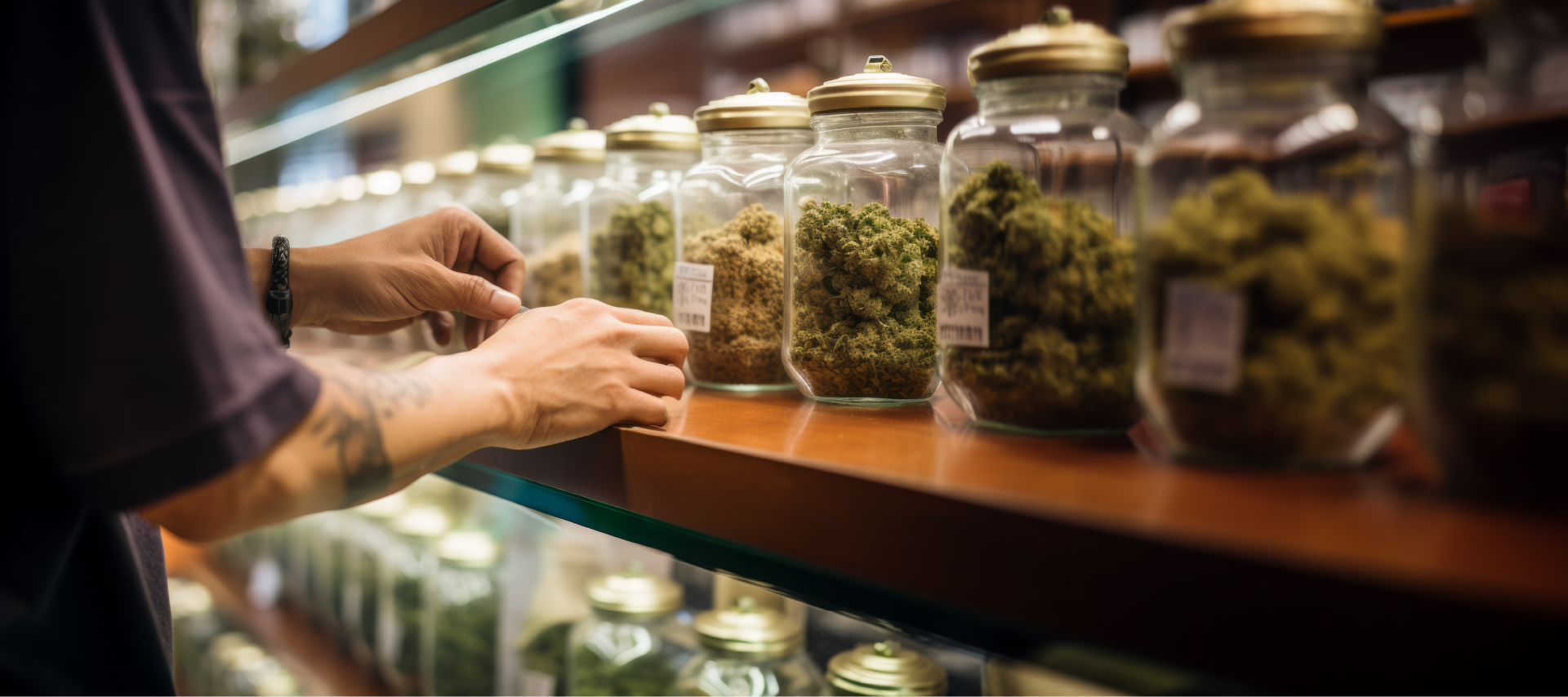
New Hampshire legalized medical cannabis in 2013 through the passage of House Bill 573, allowing the establishment of Alternative Treatment Centers (ATCs). These centers are licensed to cultivate, manufacture, and dispense cannabis to registered patients. The first dispensaries opened in 2016, significantly growing from servicing 2,000 registered patients to 12,000 by May 2021.The New Hampshire Department of Health and Human Services oversees the state’s medical cannabis program. The introduction of House Bill 605 in 2021 expanded the list of qualifying conditions for medical cannabis use, including opioid use disorder.
Licensing Process and Types
New Hampshire’s medical cannabis licensing currently permits only the operation of ATCs, which handle all aspects of medical cannabis from cultivation to sales. Initially, only three licenses were issued in 2015. There are strict regulations, including the requirement for ATCs to operate as non-profit entities. Currently, all eight operating dispensaries in the state are owned by one of the initially licensed ATCs.
- Application Requirements:
- Record keeping plan
- Security plan
- Cannabis cultivation experience plan
- Quality assurance plan
- Operations plan
- Financial Requirements:
- Demonstrable liquidity or cash on hand
- CPA letters or bank statements to validate financial stability
- A detailed 2-3 year financial pro forma
Zoning and Real Estate Requirements
Zoning laws require that ATCs not be located in residential districts or within drug-free school zones. Potential licensees must secure appropriate real estate in compliance with these zoning laws before submitting their license applications.
Business Climate and Future Prospects
While New Hampshire has embraced medical cannabis, attempts to legalize recreational use have been vetoed, limiting the current market to medical use only. The business environment is competitive due to a high employment rate and associated labor costs. As legislative efforts continue, there may be opportunities for new licenses, particularly if adult-use cannabis is legalized.
Hemp
In New Hampshire, hemp cultivation and processing are regulated under state law, guided by federal parameters set by the 2018 Farm Bill. This federal legislation redefined hemp as distinct from marijuana, setting the threshold for THC content at 0.3% or less, and effectively legalized hemp at a national level. New Hampshire responded by enacting HB 459 in 2019, establishing the framework for hemp production in the state. This law positioned hemp as an agricultural product, mandating registration with the USDA for growers, processors, and commercial traders.
License Process
The process for obtaining a license to grow or process hemp in New Hampshire involves several steps:
- Completing an application form available from the New Hampshire Department of Agriculture.
- Undergoing a background check with an FBI Identity History Summary completed within 60 days before submission.
- Paying a non-refundable application fee of $150, with additional site registration fees (e.g., $600 for cultivators per site).
There are restrictions on the sale of Hemp-CBD, particularly in consumable forms. New Hampshire adheres to FDA guidelines, which restrict the addition of Hemp-CBD to food products. The state’s approach to the regulation of Hemp-CBD products is currently evolving, with legislative changes proposed to establish more concrete regulatory frameworks.
Psychedelics
- State Scheduling of Psychedelics: In New Hampshire, psychedelics such as psilocybin, LSD, and MDMA are classified under Schedule I controlled substances. This classification indicates that these substances are considered to have a high potential for abuse, no accepted medical use in the United States, and a lack of accepted safety for use under medical supervision, aligning with federal regulations.
- House Bill 1693: New Hampshire HB 1693-FN proposes a legal framework for therapeutic use of psychedelics. Introduced by Rep. Verville, it aims to regulate and define the conditions under which psychedelics can be used for medical conditions such as anxiety and PTSD. The Department of Health and Human Services would oversee this program, ensuring compliance with health and safety standards. The act, if passed, would take effect on January 1, 2025, setting detailed procedures for the operation and regulation of alternative treatment centers managing psychedelic therapies.
- Ketamine and Telehealth Laws: Ketamine is recognized for its medicinal use, particularly in treating severe depression and is available under strict medical supervision. New Hampshire permits the medical use of ketamine, which can be prescribed by licensed practitioners. With the expansion of telehealth services, New Hampshire’s telehealth regulations allow for the remote management and prescription of controlled substances, including ketamine, provided it adheres to applicable federal and state guidelines.
- State Right to Try: New Hampshire aligns with the federal Right to Try Act, which was enacted in 2018. This law allows terminally ill patients to access experimental treatments that have not yet received full FDA approval but have completed Phase I testing. Although primarily intended for other types of medications and treatments, this could potentially apply to experimental treatments involving psychedelics if they meet the law’s criteria and are part of a structured clinical trial.
- State Religious Exemptions: Currently, New Hampshire does not have specific exemptions that allow the use of psychedelics for religious purposes. The U.S. Supreme Court has recognized certain federal religious exemptions for the use of psychedelics, such as the use of ayahuasca by the União do Vegetal and the Native American Church’s use of peyote. However, these exemptions are based on federal statutes like the Religious Freedom Restoration Act (RFRA), and New Hampshire does not provide state-specific exemptions for the religious use of psychedelics.
Check Other States Licensing Guide
- Adult Use
- Medical
- Limited Medical
- Illegal
Where to Find Us
Address
Contact INFO
PHONE: 786-526-1155
EMAIL: info@mrcannabislaw.com