Hawaii Medical Marijuana Business Opportunities & Regulations
Medical Marijuana
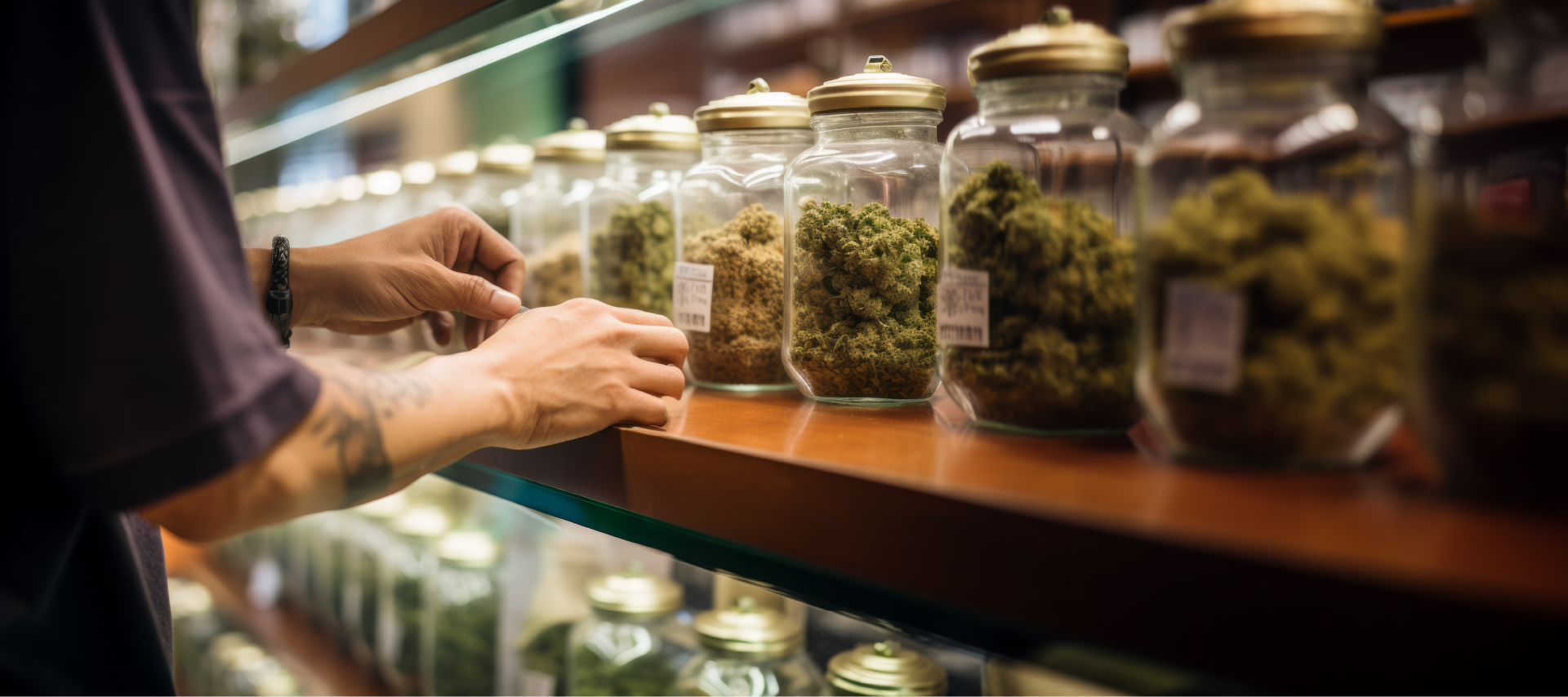
Hawaii was one of the pioneers in legalizing medical cannabis through legislative action rather than a voter initiative. Established by Act 228 in 2000, Hawaii’s medical cannabis program initially allowed patients and caregivers to cultivate cannabis at home. However, it wasn’t until 2015, under Act 241, that a regulated dispensary system was introduced, paving the way for the first licensed dispensaries to begin operations in 2016. The Hawaii Department of Health oversees the state’s cannabis programs, including licensing and regulation.
- Licensing: As of the latest updates, Hawaii has issued 8 medical cannabis dispensary licenses, which are distributed based on the geographical distribution of the population across the islands. Each licensed dispensary is permitted to operate two production facilities and two retail locations. In anticipation of potential adult-use legalization, stakeholders are discussing the framework for recreational cannabis, which was proposed under Issue 2. This new legislation aims to broaden the scope of the market and includes licenses for various levels of cultivators, testing labs, and processors.
- Licensing Process and Costs: To obtain a cannabis dispensary license in Hawaii, applicants must undergo a rigorous application process that includes demonstrating financial stability, business acumen, and compliance with strict security and product safety regulations. The initial licensing fee is set at $75,000 with a renewal fee of $50,000. Additional fees include $3,000 for testing lab certification and the same amount for renewal. The state has stringent financial requirements, mandating that applicants demonstrate access to at least $1 million in funding per license, to ensure they have sufficient resources to establish and sustain their operations.
- Restrictions and Zoning Laws: Hawaii imposes specific restrictions to ensure that cannabis businesses do not adversely affect communities. For instance, cannabis facilities must be located at least 750 feet away from schools and playgrounds. Local zoning laws also play a crucial role in determining where businesses can operate, which is vital for compliance and community integration.
- Market and Opportunities: The introduction of recreational cannabis, pending legislation, could significantly expand the market, benefiting from Hawaii’s substantial tourist industry. The state has a reputation for strict business regulations, but improvements in business climate rankings indicate a positive environment for new industries like cannabis. The potential market size and public benefit from cannabis sales tax suggest substantial economic opportunities for new and existing businesses.
- Future Prospects: While the current licensing opportunities are limited to medical cannabis, the expected legalization of adult-use cannabis could open up new avenues for entrepreneurs, especially with the state’s focus on social equity and fair representation. Prospective business owners are advised to stay informed about legislative developments and prepare for new licensing rounds that could accompany the legalization of recreational cannabis.
Hemp
In Hawaii, the cultivation of hemp is regulated under the U.S. Department of Agriculture (USDA) Domestic Hemp Production Program. Prospective hemp growers must adhere to both federal and state guidelines to legally cultivate hemp.
Licensing Requirements
To legally grow hemp in Hawaii, individuals and entities must obtain a hemp production license directly from the USDA. The application process is conducted through the Hemp eManagement Platform (HeMP), which accepts applications year-round. Key requirements include the submission of an FBI criminal history report, with specific attention to ensuring that applicants have not been convicted of a felony related to a controlled substance within the last ten years. Licenses issued by the USDA are valid for three years.
State-Specific Restrictions
Hawaii imposes additional restrictions to address local concerns:
- Location Restrictions: Hemp cannot be cultivated within 300 feet of playgrounds, childcare facilities, or schools, and must be at least 100 feet away from residential structures not owned or controlled by the license holder.
- Cultivation Zones: Hemp growth is permissible outside of the state agricultural district, expanding the potential areas where hemp can be grown.
- Structural Prohibitions: Growing hemp in houses, apartments, or other residential structures is strictly prohibited.
Transportation Regulations
Hawaii requires a detailed reporting process for transporting hemp:
- Transportation Reporting: License holders must file a HP-1 Transportation Report at least three business days before transporting live hemp plants, viable seeds, or raw botanical hemp materials.
- Exemptions: Transportation of processed hemp products, mature stalks, retted fiber, or non-viable seeds does not require a report.
- Compliance: All transportation of hemp must comply with state laws concerning the movement of live seeds, plants, and cut flowers. The Hawaii Department of Agriculture provides guidelines for importation, inter-island, intra-island, and exportation activities.
Resources and Support
For further guidance, the USDA’s official hemp program website offers comprehensive resources. Additionally, questions specific to hemp processing and products can be directed to Hawaii’s Office of Medical Cannabis Control and Regulation.
Implications for Business
The regulatory framework for hemp in Hawaii offers significant opportunities for agricultural innovation and diversification, especially given the state’s unique geographical and environmental conditions. However, prospective hemp business operators must navigate a complex array of regulations that govern cultivation, processing, and transportation to ensure compliance and operational success.
Psychedelics
In Hawaii, psychedelics such as psilocybin, LSD, DMT, and others remain classified as Schedule I controlled substances under state law. This classification aligns with federal regulations, indicating that these substances are considered to have a high potential for abuse and no accepted medical use, making their possession, sale, and use illegal under general circumstances.
- Ketamine Laws and Telehealth Regulations: Ketamine, unlike classic psychedelics, is categorized differently due to its recognized medical use, primarily in anesthesia. In recent years, ketamine has also been used in the treatment of severe depression. Hawaii permits the prescription and administration of ketamine under strict medical supervision. Regarding telehealth, Hawaii allows the use of telemedicine for the prescription of controlled substances, provided that a proper provider-patient relationship has been established, which can include a telehealth interaction as per the guidelines set by the Hawaii Medical Board. This facilitates the use of ketamine in therapeutic settings through telehealth services.
- State Right to Try Laws: Hawaii has adopted “Right to Try” legislation, which allows terminally ill patients to access investigational drugs that have completed Phase 1 of the FDA approval process but are not yet fully FDA approved. While this law primarily covers experimental drugs more broadly, it opens a potential pathway for access to psychedelic therapies under very restricted and specific circumstances, should they meet the criteria laid out in the legislation.
- State Religious Exemptions: Hawaii does not currently have specific exemptions for the religious use of psychedelics. Federal rulings, such as the U.S. Supreme Court decision in Gonzales v. O Centro Espirita Beneficente Uniao do Vegetal, allow for the religious use of ayahuasca by the UDV church under the Religious Freedom Restoration Act (RFRA). However, such exemptions are strictly federal and would only apply in Hawaii under the same narrow circumstances recognized by federal law, without additional state endorsements.
- Legislative Movements and Proposals: There have been no significant legislative movements specifically targeting the decriminalization or medical use of psychedelics in Hawaii as of the latest sessions. The focus remains largely on broader drug reform measures and medical cannabis adjustments. However, with growing interest and advocacy observed in other states, future proposals could emerge that align with national trends towards reconsidering the status of psychedelics for therapeutic purposes.
Check Other States Licensing Guide
- Adult Use
- Medical
- Limited Medical
- Illegal
Where to Find Us
Address
Contact INFO
PHONE: 786-526-1155
EMAIL: info@mrcannabislaw.com